By Liam Macleod
In my opinion, the world of event planning is ever-evolving. As a result there are always new event trends to pay attention to. I’ve been watching, reading and listening to many industry experts give their take on 2024 Event Trends. In this article i’ve built my own thoughts around what I’ve learnt.
First of all I should note, i’ve always been a believer of embracing trends and not chasing them. However as an events marketer, I also understand that it’s important to stay aware of the emerging trends within the events industry and how they can affect your business.
Here are my five key 2024 event trends to watch:
1. Hybrid Experiences that Offer Multiple Entry Points
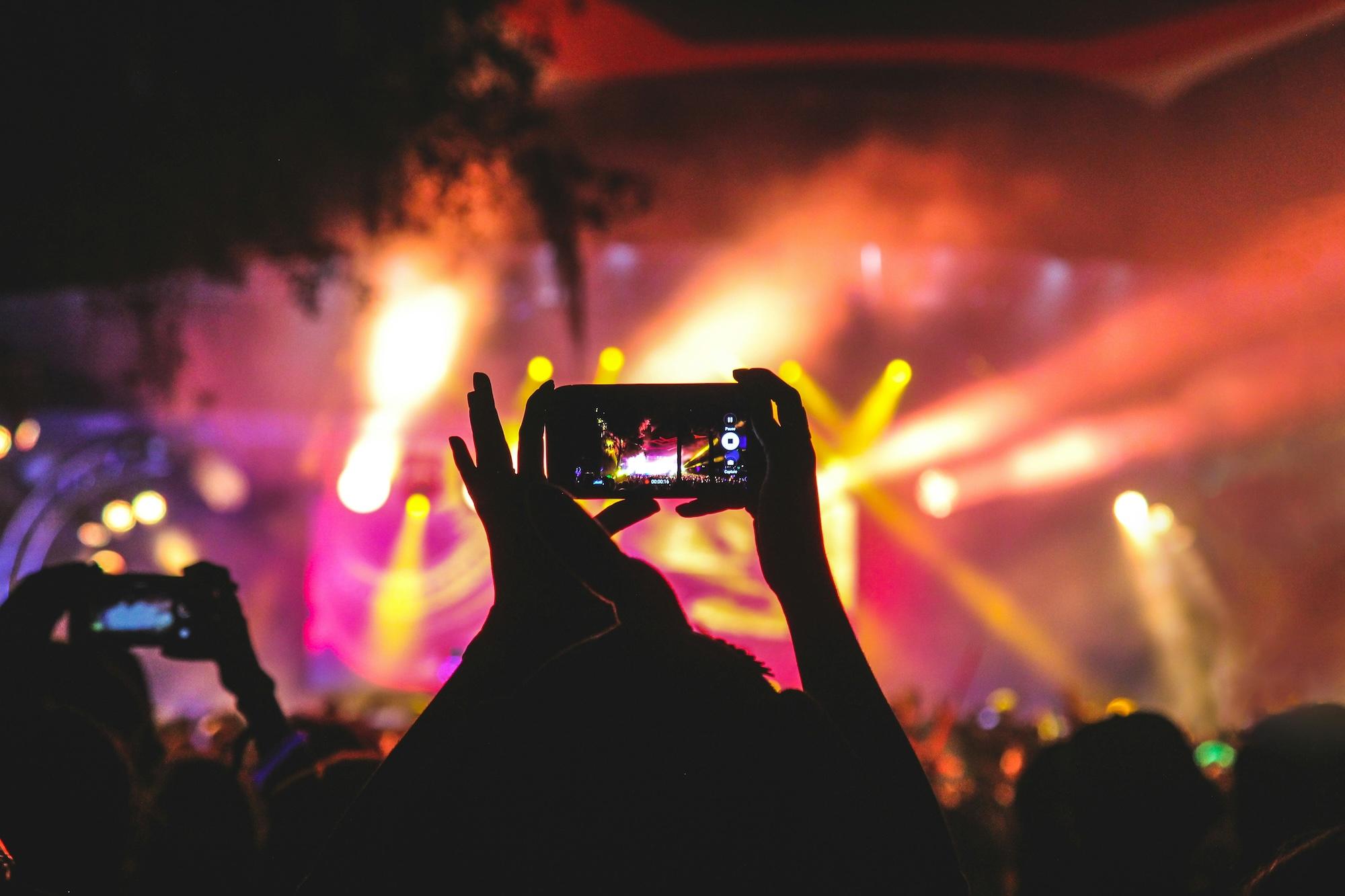
The transformative wave of hybrid experiences that began during the pandemic continues to grow into the events landscape. Because of this events that have the right platforms set up can offer unparalleled global reach.
This allows people from all around the world to engage seamlessly with an experience.
With higher travel costs, a cost of living crises, and inflation soaring in many countries, more people are showing interest in attending virtual experiences that don’t require travel costs and time.
Brands will look to offer alternatives to in-person experiences.
My example: Taylor Swift & Beyonce tickets were often selling thousands of tickets for $500+ per ticket. However they also sold millions of tickets to the cinema for $20. Expect to see more of this with live music, theatre, comedy and artists.
These events unlock wider audience reach, they can offer flexibility without compromising fully on inclusivity.
Why we will see more of this…
Scalability: Hybrid events break geographical barriers, allowing brands to engage with a wider, global audience.
Flexibility: Hybrid events offer the best of both worlds, providing flexibility for attendees to choose between in-person and virtual participation. You can offer services outside of typical working hours.
Cost Efficiency: Hybrid events can be cost-effective, undoubtedly saving on expenses related to physical venues, travel, and accommodation.
What might stop it going further?
Technical Challenges: Hybrid events will need to button up on technical issues, such as connectivity problems or platform glitches. They will need to invest in tech savvy teams that can handle this.
Saturated Market: With the surge in hybrid events, smaller businesses might find it challenging to stand out in a crowded digital landscape.
At Allaway, our strongest product is our in-person community driven experiences so we continue to invest our efforts in that. However in regards to the virtual market we understand the power of shared experiences and the accessibility benefits it brings.
2. Sustainability as a Non-Negotiable Element

My next 2024 event trend opinion is that sustainability will actually become a cornerstone in event planning rather than just a consideration. I see this happening in 4 different areas:
1. Event organizers will really start building strong messaging and pitch the benefit of eco-friendly events to their clients.
2. From the top down, companies will prioritize selecting sustainable event spaces to to improve brand image.
3. From the bottom up, attendees have become increasingly environmentally conscious and have more voice than ever before.
4. The combination of the first 3 will put pressure on event venues to clean up their act. Venues will need to up their game or risk being left out of booking considerations.
The use of sustainable materials, energy-efficient technologies, and locally sourced products has been a bigger discussion year on year.
At Allaway, we have seen this event trend already with companies looking to host their events at venues that offer sustainable solutions.
Why we will see more of this…
Brand Image: Embracing sustainability enhances the brand image, showing a commitment to social and environmental responsibility.
Cost Savings: Sustainable practices often lead to cost savings in the long run, with rising costs, investing now will save more money in the long run.
Attracting Customers: Customers are more likely to be attracted to events that align with their values.
What might stop it going further?
Initial Costs: Adding sustainable practices will require an upfront investment in eco-friendly technologies and systems.
Limited Venue Options: Finding sustainable event venues might be challenging, limiting the choices for organizers in certain locations.
3. Immersive Storytelling: Crafting Narratives that Resonate

A growing number of event organizers in 2024 will focus more on the art of immersive storytelling. The focus will be on creating compelling narratives that captivate attendees and leave a lasting impression.
From event themes to story-driven experiences, organizers will use the power of storytelling to engage human emotions. Any good marketer will tell you that the best way to sell a product (or experience) is to have a deep understanding of human behavior and emotions. Immersive storytelling taps into this and will become a stronger tool in every event playbook.
Why we will see more of this…
Emotional Engagement: Good Immersive storytelling creates emotional connections. This makes events more memorable and enhances engagement.
Brand Loyalty: Events with powerful stories can build stronger brand loyalty, this leads to better customer lifetime value.
Diverse Appeal: Well-crafted stories have the potential to appeal to a wider audience.
What might stop it going further…
Resource Intensive: Crafting immersive stories demands time, creativity, and skilled professionals. Potentially increasing the resource and budget allocation for event planning.
Subjectivity: The understanding of stories can be a problem. Not all attendees may align with the intended narrative, risking potential disconnect.
Balance with Information: Striking a balance between storytelling and delivering essential event information is crucial to avoid diluting the event’s purpose.
4. The Rise of Immersive Technologies Redefining Experiences
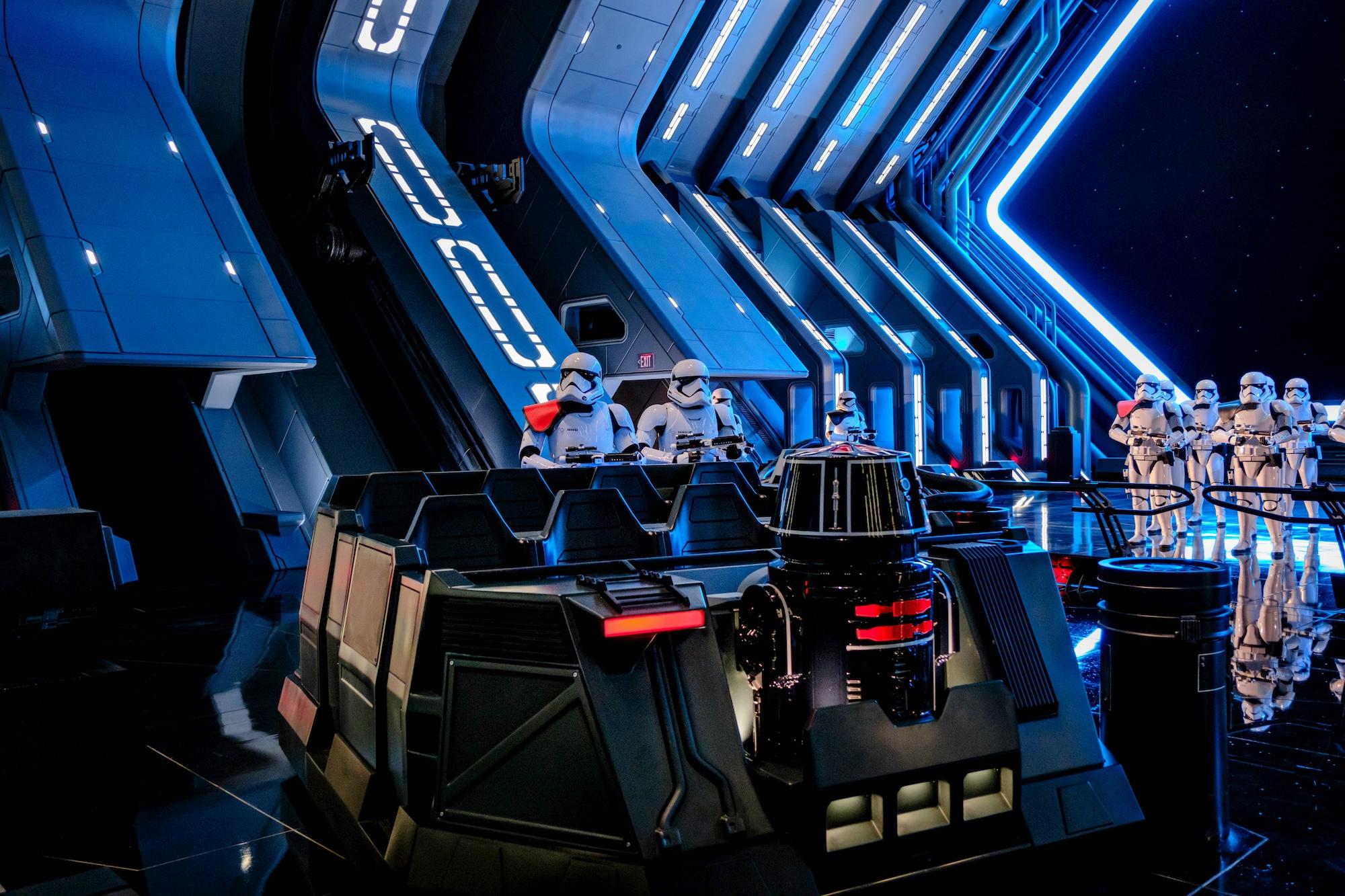
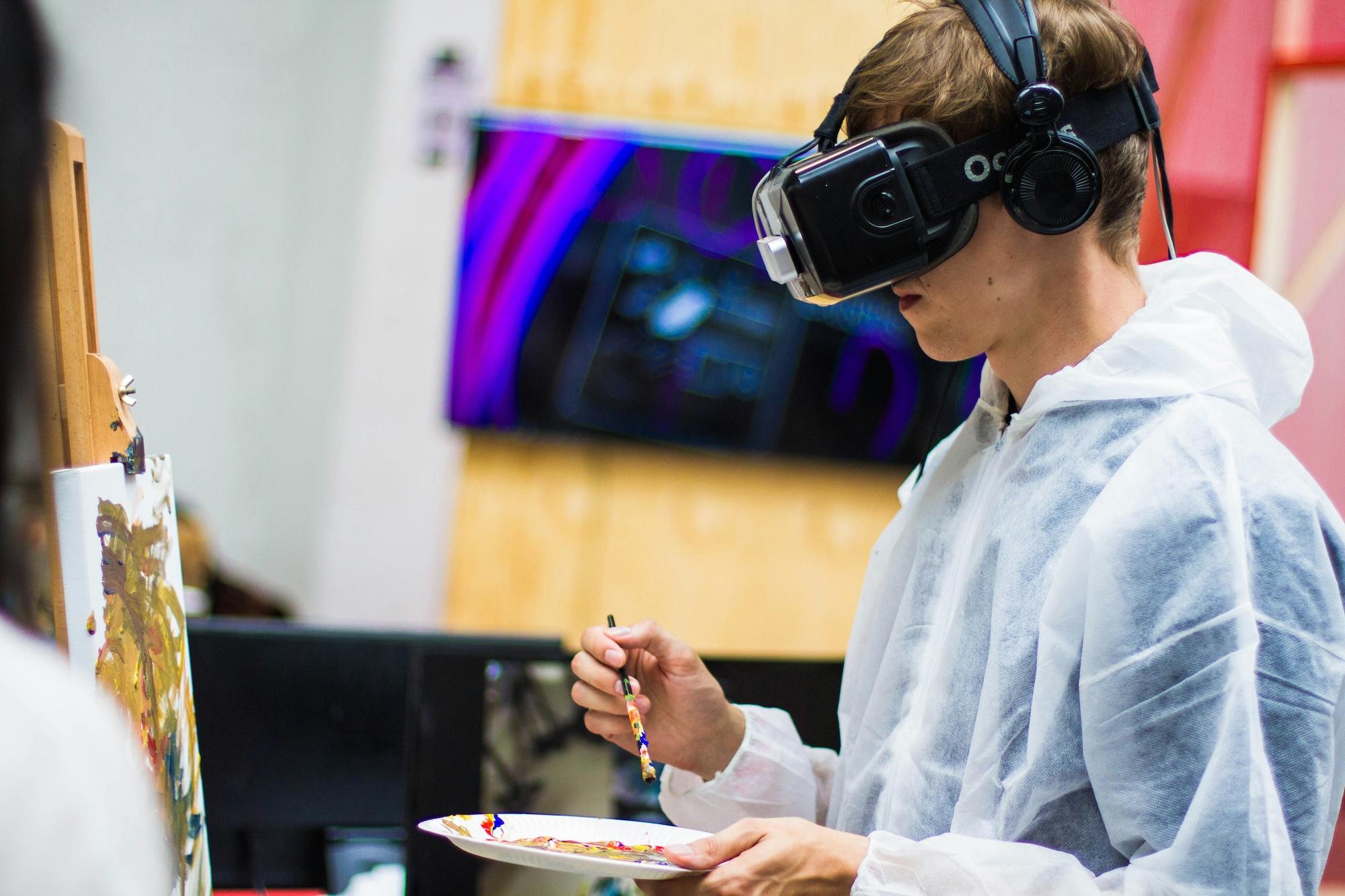
You can’t tell immersive stories without Immersive technologies. We keep hearing about augmented reality (AR) and virtual reality (VR). For almost 10 years they have been in the innovation and early adopters stage (2.5% – 13% of people) However I really think this will start to change in 2024.
With the recent launch of Apple Vision & with Meta’s Occulus offering a cheaper entry point into this market, I think we will start to see movement in 2024 towards more things like virtual product launches, AR-enhanced networking sessions, and gamified activities.
My example: Look at how younger generations are spending their time… Minecraft, Roblox, NFT’s… we’re also moving towards a new era of digital with Web3. This all points towards more adoption rates of immersive technologies, this means the constant demand for new experiences will likely increase.
Why we will see more of this…
Novelty and Engagement: Immersive technologies bring a novelty factor, capturing attendees’ attention and enhancing overall engagement.
Interactive Experiences: AR and VR enable interactive experiences, making events more participatory.
Marketing Opportunities: Brands can leverage immersive technologies for innovative marketing strategies, gaining a competitive edge in the market.
What might stop it going further…
Accessibility Challenges: Not all attendees will have access to devices with immersive technologies in 2024, this trend will exclude certain people.
Technical Hurdles: Immersive technologies require technical expertise, introducing the risk of technical difficulties during events.
Dependency on Trends: The rapid growth of technology may lead to a short lifespan for certain immersive trends, they need to be updated all the time.
5. The Resurgence of Exclusive Pop-Up Events
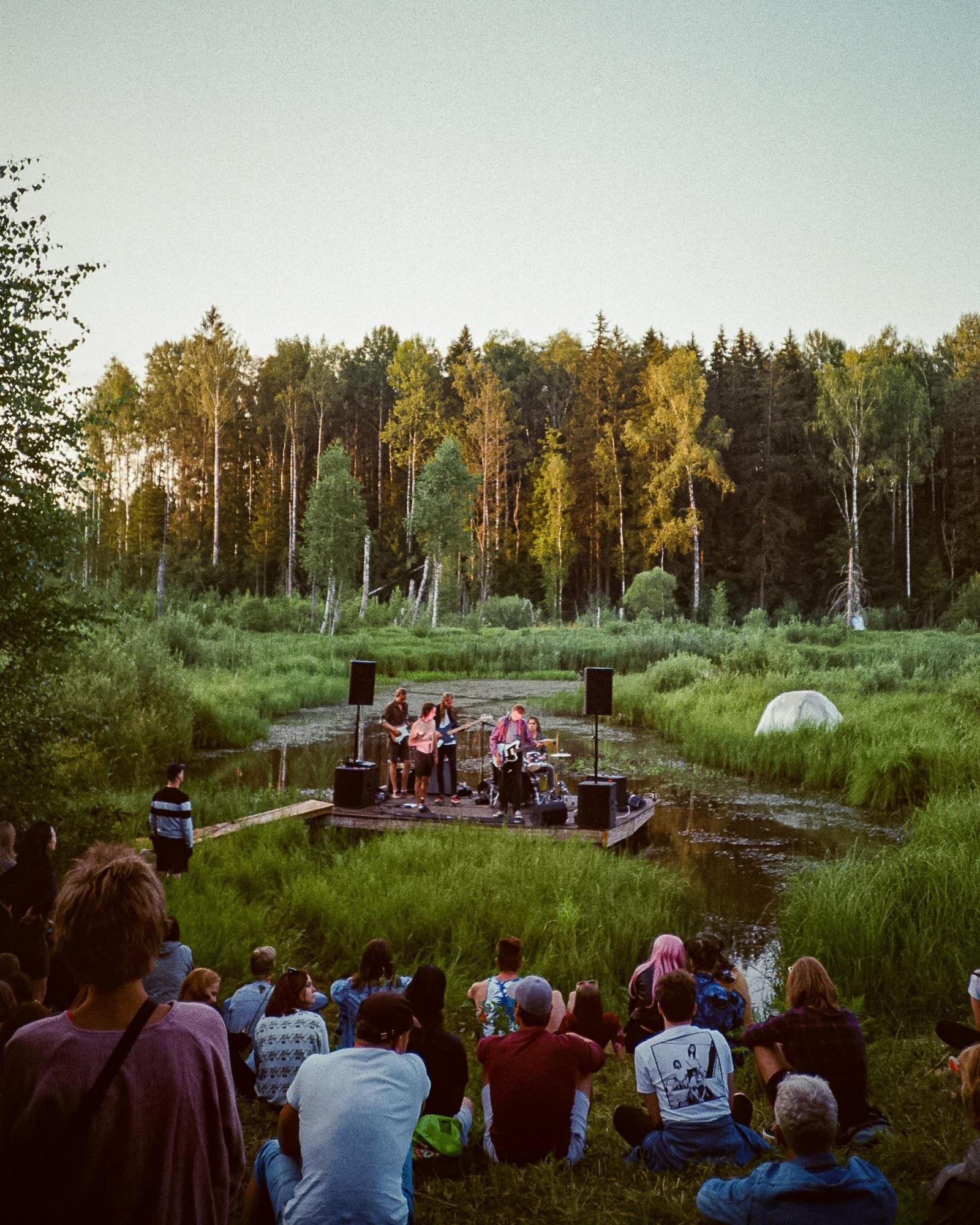
A 2024 event trend I think we will see more of is the resurgence of exclusive pop-up events. These temporary but unique experiences offer a sense of exclusivity and urgency. From pop-up galleries to limited-time immersive installations, these events will target customers in local markets.
We will see more field marketers team up with influencers to try drive their brands products towards a tipping point in key demographic areas. By doing so, event marketers will try to capture customers data for future campaigns or focus on capturing TikTok / Viral style content that appeals to their key market demographics.
My example:
An up and coming sneaker brand opens a one week pop-up store in a downtown city area. The demographic of that area is students in their early to mid-20’s. The brand invites 25 of the city’s most engaged influencers to the pop-up store, outside the store another influencer captures a TikTok style street interview with them. They ask them where their sneakers are from. The two influencers and the brand all cross-post the video to their social media channels which generates brand reach and awareness. The target market in that area finds out that the store is only there for one week and they rush to order a pair before the opportunity disappears.
Why we will see more of this…
Exclusivity and Buzz: Exclusive pop-up events generate a sense of exclusivity and urgency, creating a buzz that attracts attention and builds anticipation.
Brand Visibility: Successful pop-up events can significantly enhance brand visibility and create memorable associations in the minds of customers.
Test Marketing Opportunities: Pop-up events provide a platform for testing new products, services, or marketing strategies in a controlled environment.
What might stop it going further…
Logistical Challenges: Organizing pop-up events involves logistical challenges, from securing suitable locations to coordinating temporary setups.
Short-Lived Impact: The impact of a pop-up event may be short-lived, and sustaining the generated excitement beyond the event duration requires strategic planning.
In conclusion, the 2024 event trends landscape will be a mixture of technology, sustainability, and unique experiences that all tie closely to human emotions and values. Event brands that can effectively implement the right trend might be setting themselves up for success for the next few years.